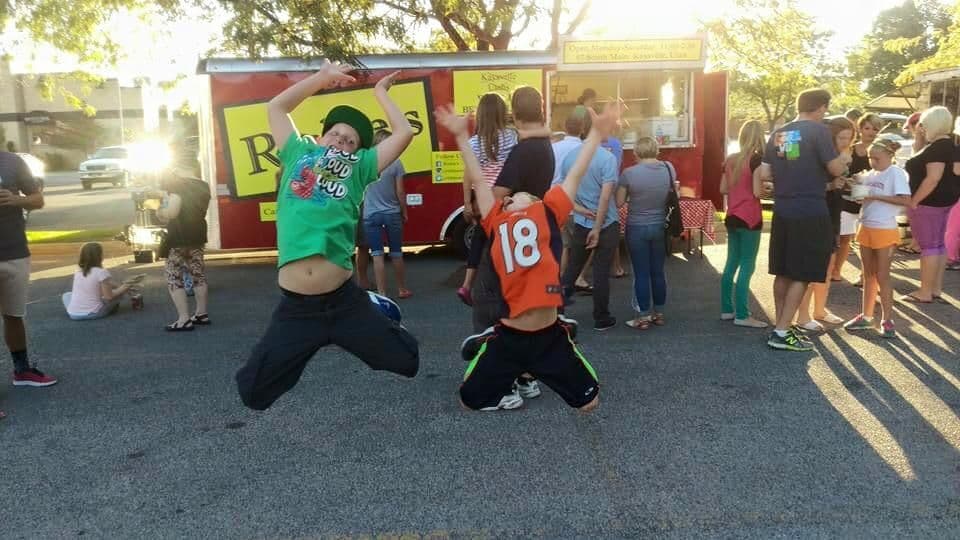
Some of the best parties don't have a single thing in common, except that everyone remembers the food.
A wood-fired pizza truck at a backyard birthday.
Tacos at a wedding reception.
A crepe truck parked outside a baby shower brunch.
Food trucks create memorable experiences. Knowing how to hire a food truck for an event like that is genuinely easier than most people expect. Here is our step by stop guide to getting it right
1. Your space matters more than you think
A birthday in your backyard isn't the same as a wedding at a venue. Trucks need room, roughly 30 feet of clearance, level ground, and access to power depending on the setup. Before you get attached to a specific truck, figure out what your location actually allows. A gravel driveway, a gated entrance, or low overhead clearance takes a lot of options off the table before you even start looking.
2. Budget like it's your own money. Because it is
Corporate events have their finance department to manage all the financial decisions. Personal events don't. Fully catered food truck service typically runs $20-$35 per person depending on cuisine and setup. Usually less than traditional catering, but it adds up fast. Get a real quote early. Don't assume the costs.
3. The truck you pick sets the whole vibe
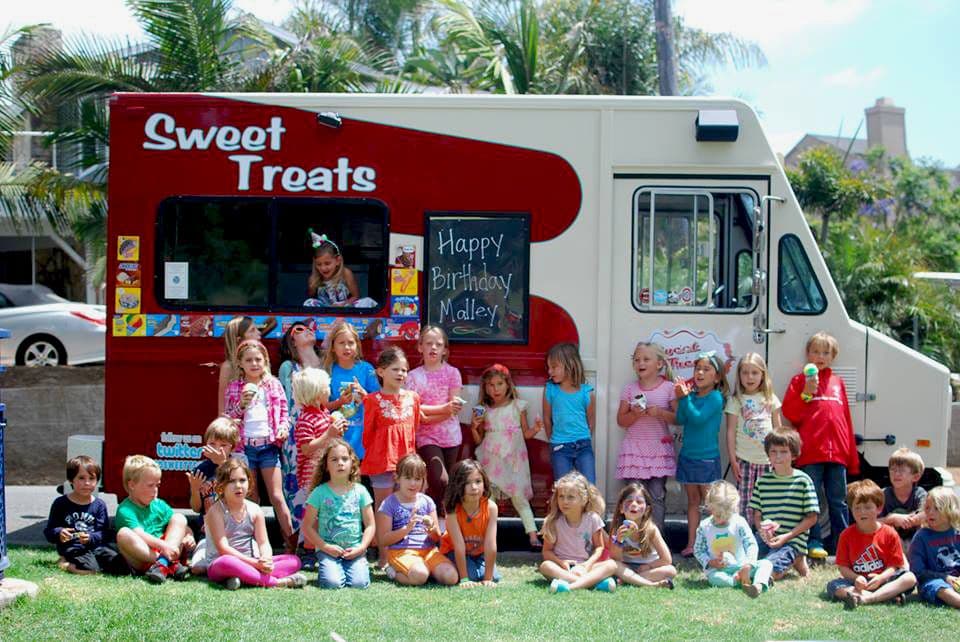
This is what most planning guides skip. A BBQ truck with paper boats and picnic-style service feels completely different from a gourmet taco setup with Edison bulbs strung overhead. Think about the atmosphere you're going for, not just the food. A baby shower brunch hits differently with a crepe truck than a burger truck. The right match isn't just what people eat, it's how the whole thing feels.
4. Decide who's paying before you book anything
Two ways it can work: you cover the food and guests just show up and eat, or guests pay the truck themselves like any regular food truck stop.
There's also a middle option: a voucher per guest, set amount, handed to the truck. Seamless for guests, keeps your costs from running wild. The biggest advantage of pre-payments is that the line keeps moving. No one's fumbling with cash or waiting on a card reader. Guests just eat, and the whole experience feels more like a party even while they wait in line
5. Know who you're actually booking
Finding a truck on Instagram works right up until the day of, when something goes wrong and there's no one to call.
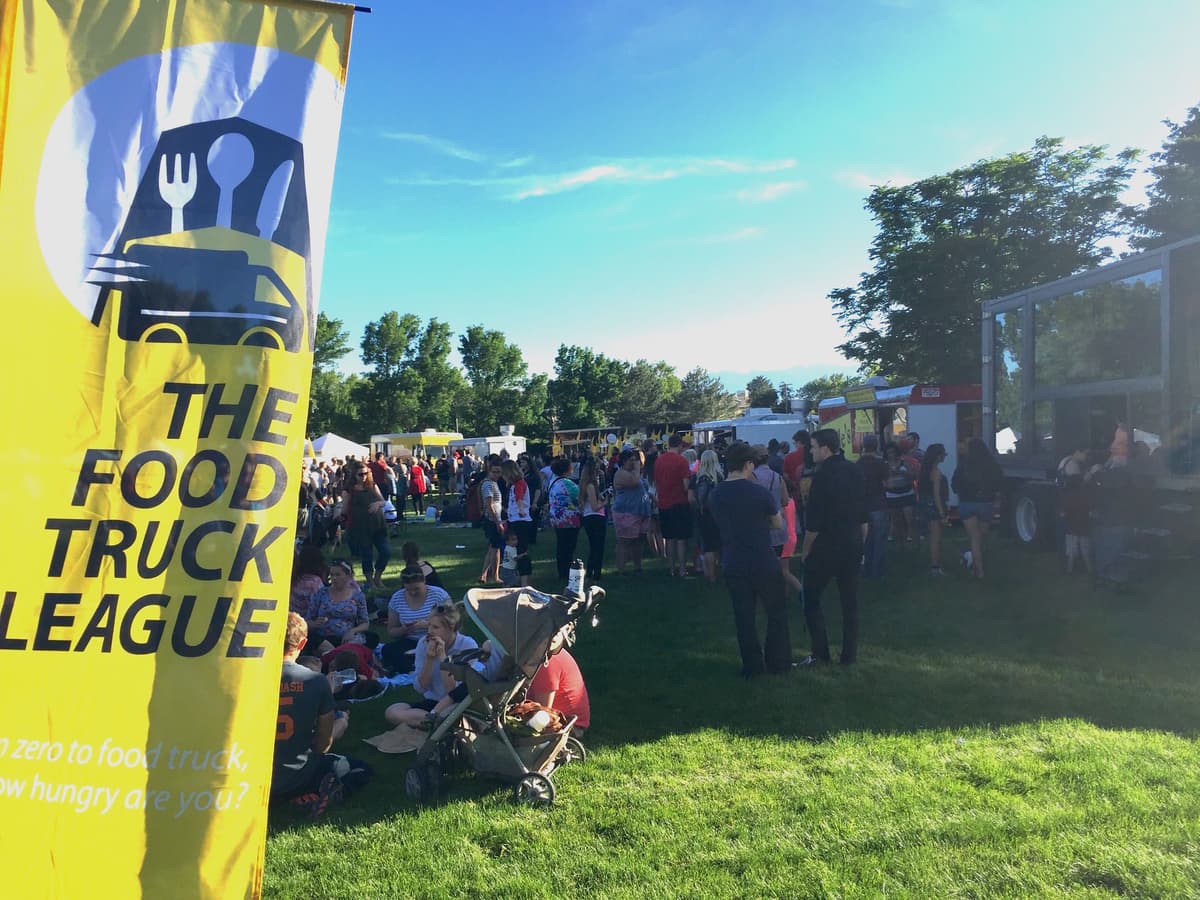
The Food Truck League works with 200+ vetted trucks across Utah, Arizona, Dallas, and Denver and after 15,000+ events, the difference between a truck that shows up and one that doesn't is something we know firsthand. For a wedding or birthday, that's not a small thing.
If you want help putting it together, reach out. That's exactly what we do.
Frequently Asked Questions
What if my venue is indoors or has limited access?
Mention it upfront. Tight entrances, low clearance, or indoor setups all affect which food trucks can actually work the event. Better to know before you book than the morning of.
Can I hire a food truck for a small party?
Yes, though most trucks have a minimum guarantee that makes very small events a factor to plan around. For smaller gatherings, a drop-off setup where the truck preps and delivers without staying on-site can be a better fit cost-wise.
What if I want two different food options?
Two trucks is totally doable, especially for larger events or you require a faster service window. Gives guests options and keeps lines shorter. Worth mentioning to our catering consultants when you first reach out.
What's the difference between catered and self-pay?
Catered means you cover the food upfront, the truck preps a set number of meals and you pay for them. Self-pay means guests pay the truck directly. Both work for personal events. Which one fits depends on the vibe you're going for and how much control you want over the budget.
How much does it cost to hire a food truck for a private event?
Fully catered service usually runs $15-$40 per person depending on cuisine and setup. Self-pay events, where guests pay the truck directly, typically still have a minimum guarantee the host is responsible for, usually a few hundred dollars depending on the market, weekend rates and the expected turnout.