Choosing a catering format is one of the most enjoyable parts of event planning and one of the most consequential. The way food is served shapes the flow of your event, the guest experience, and even the overall atmosphere.
Two options many hosts consider are food truck catering and traditional catering. Both can work beautifully depending on the type of event you’re planning.
Food trucks and traditional caterers simply approach service in different ways. Understanding how each format works can help you choose the option that best fits your event, your guests, and the experience you’re trying to create.
Food Truck Catering
Why Many Choose Food Trucks
Variety and Novelty
Food trucks offer a diverse range of cuisines and menu options, from gourmet burgers to fusion tacos and exotic desserts. They bring a sense of novelty and excitement to your event, ensuring that your guests have a memorable culinary experience.
A More Interactive Experience
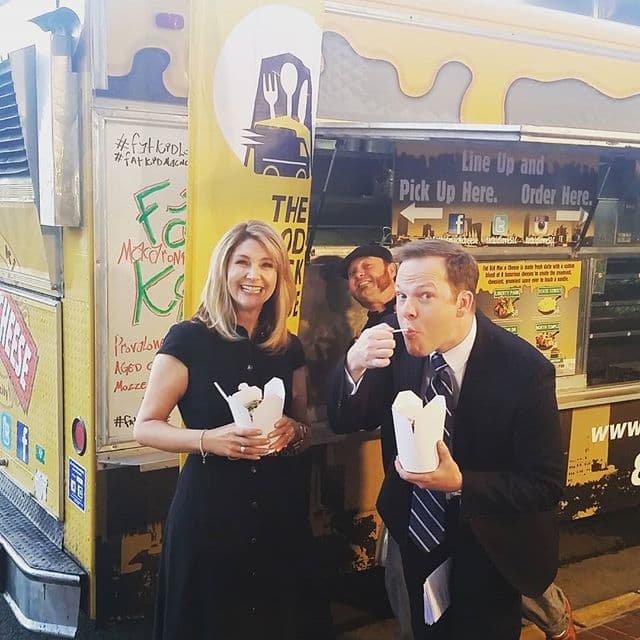
Food trucks bring a bit of energy to the food experience. Guests order directly from the truck, see their meals prepared fresh, and interact with the chefs. For many events, this creates a more casual and social atmosphere compared to traditional service.
Flexible Location
From office parking lots and parks to private properties and outdoor venues, food trucks can work in many locations. Because the kitchen travels with the truck, they often require less on-site kitchen infrastructure than traditional catering.
Potentially Different Cost Structure
Food truck catering sometimes comes with a different cost structure than traditional catering. Since trucks operate from their own mobile kitchens, some events can avoid certain overhead costs associated with large catering operations.
What to Know Before Booking a Food Truck
Space and Access
Food trucks require vehicle access and a designated parking area. Some trucks also need electricity or enough space to run their onboard generators comfortably.
Service Pace
Because meals are typically made to order, service moves at a steady but natural pace. For larger events, hosts often bring in multiple trucks or choose service formats that help move guests through efficiently.
Planning and Coordination
Booking the right mix of trucks, menus, and service formats can make a big difference in how smoothly the event runs. Booking lead time can vary depending on the season. In the mild months, trucks book out 4 to 6 weeks in advance, while the slower months offer a lower lead time. Many hosts find it helpful to work with a single point of contact who already knows which trucks are available and how to structure the service for their guest count.
Traditional Catering
Where Traditional Catering Often Shines
Structured Service
Traditional caterers are designed for events with a defined program or schedule. If your event includes speeches, presentations, or a seated dinner at a specific time, plated or buffet catering can align well with that structure.
Efficient Large-Scale Service
With a central kitchen, larger service staff, and established systems, traditional caterers are well equipped to serve large guest counts quickly and consistently.
A Formal Dining Experience
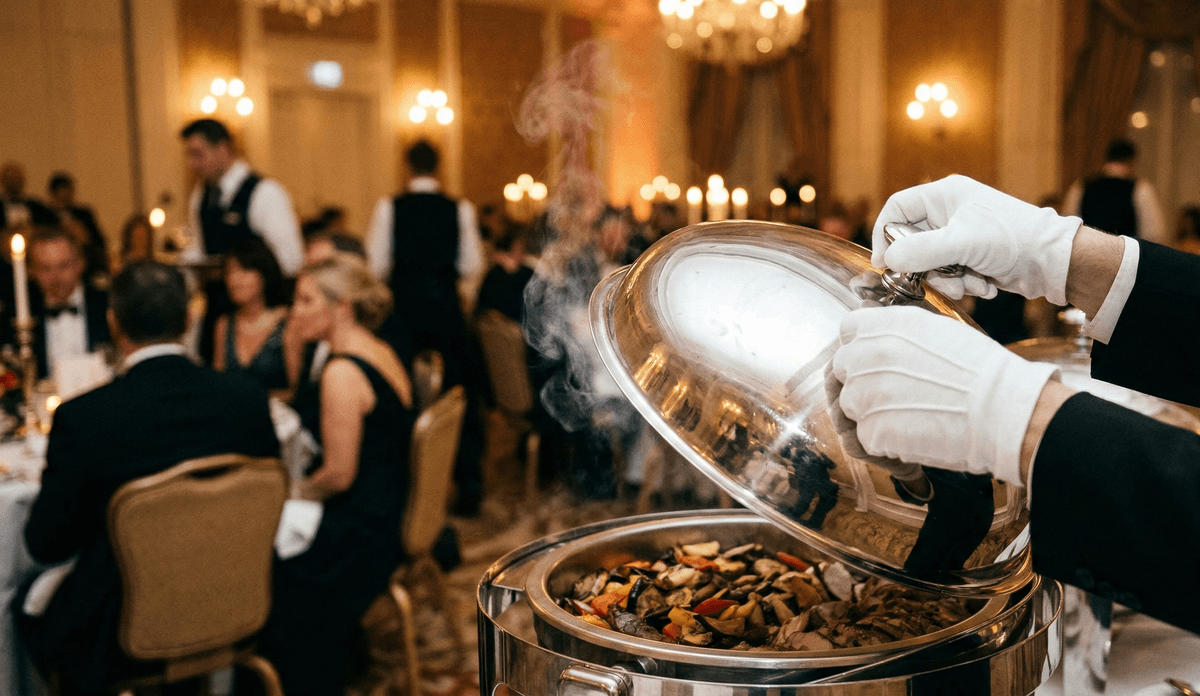
For events such as weddings, galas, and formal corporate dinners, traditional catering offers the classic experience many hosts are looking for. Guests remain seated while courses are served, creating a more formal dining experience.
Considerations with Traditional Catering
Menu Format
Traditional catering typically centers around a single menu or a few pre-selected options. This works well for many events but offers less individual choice than a multi-truck food experience.
Cost Structure
Traditional catering operations often include kitchen facilities, staffing teams, rentals, and service equipment. These elements contribute to the overall cost structure, which can vary depending on the level of service and event size.
Guest Interaction
Because meals are served to the table or through a buffet line, the food experience is usually more structured and less interactive. For many formal events this is exactly the goal, while more casual gatherings may prefer a different dynamic.
Which Catering Style Fits Your Event?
Both food truck catering and traditional catering can deliver a great experience. The best choice depends on the type of event you're planning.
Food truck catering often works well for:
- Company parties
- Outdoor gatherings
- Festivals and community events
- Casual weddings or social celebrations
- Events where variety and guest choice are priorities
Traditional catering is often ideal for:
- Formal weddings and galas
- Seated dinners with a fixed timeline
- Events where synchronized service is important
In many cases, the decision comes down to the atmosphere you want to create. Food trucks tend to create a lively, social environment, while traditional catering offers a more structured and formal dining experience.
Both approaches can be done exceptionally well. The key is choosing the format that supports the flow of your event and the experience you want your guests to have.
If food-truck catering is in the running and you're not sure how to structure it, the Food Truck League can walk you through the options and be straight with you if a different format makes more sense for your event.
Frequently Asked Questions
How long does setup take for a food truck?
Most trucks are parked and ready to serve within 30 minutes.
Do food trucks accept credit cards?
Yes, all trucks in the network accept credit cards.
Can food truck catering handle dietary restrictions?
Yes. We track data on which trucks excel at accommodating vegan, gluten-free, and allergy-specific requests so we can match you with vendors who will safely feed your entire team
How do I control my food truck catering budget if guests go back for seconds?
We highly recommend a simple voucher system. You hand out pre-formatted tickets to your guests, and the trucks only serve meals based on those tickets. This gives your event an open-order feel while guaranteeing you never receive a surprise bill